 InsightsContact LVT
Sea freight to Iceland, Greenland and the Faroe Islands – how it works
Freight to Iceland, Greenland and the Faroe Islands goes by ship from a Danish port – and all three are outside the EU customs territory. Here is the process from dock to consignee.
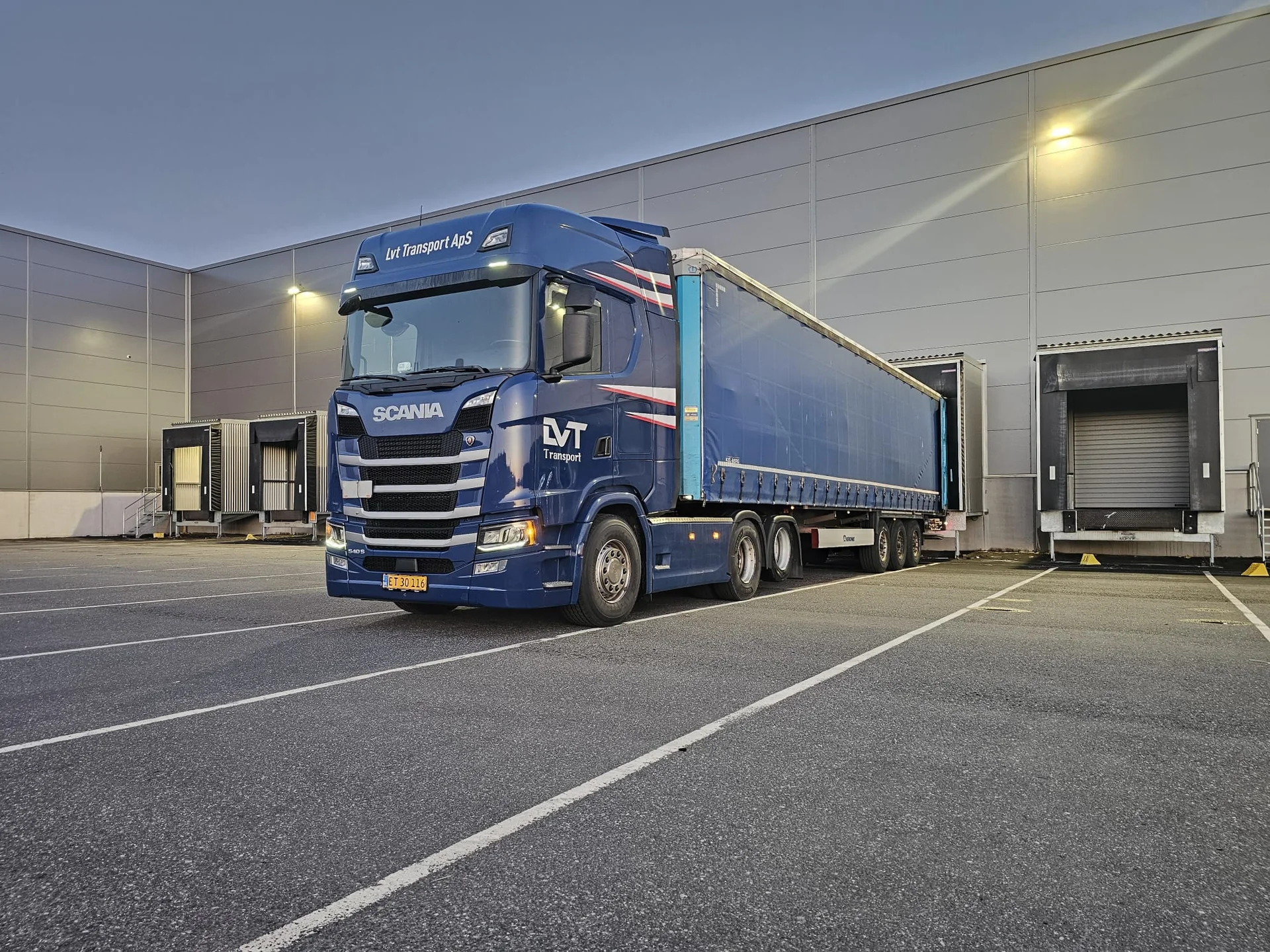
Freight to Iceland, Greenland and the Faroe Islands has one thing in common: the goods have to cross the North Atlantic. Most shipments go by ship from a Danish port, and although Greenland and the Faroe Islands are part of the Kingdom of Denmark, they – like Iceland – are outside the EU customs territory. Sea freight and customs paperwork therefore go hand in hand from the start. This is how a shipment usually runs.
Freight to Iceland, Greenland and the Faroe Islands: the process
- Collection. The goods are collected from you by truck and taken to the port. This is called pre-carriage.
- Container or consolidated cargo. If you have enough for a full container, you get it to yourself (FCL). Otherwise the goods are consolidated with other shippers' cargo in a shared container (LCL).
- Export declaration. The goods are formally exported from the EU before the vessel sails.
- Sea transport to the destination port.
- Customs clearance and release. The consignee or their representative clears the goods locally, and the goods are delivered or collected.
Departures follow the sailing schedules, so it is the sailing date from the port – not the collection date – that sets the pace.
Three destinations, three customs situations
Iceland
Iceland is part of the EEA but outside the EU customs union. An export declaration is needed in the EU and import clearance in Iceland, where Icelandic import VAT is also paid. Goods of EU origin can qualify for preferential treatment if the origin is documented correctly.
Greenland
Greenland is part of the Kingdom of Denmark but outside the EU and the EU customs territory. Goods need an export declaration from the EU and clearance under Greenlandic rules. Some ports can only be reached for part of the year because of ice, so planning well ahead is essential – especially for settlements and towns outside the main ports.
Faroe Islands
The Faroe Islands are also part of the Kingdom of Denmark and outside the EU customs territory. An export declaration is made in the EU, and the goods are cleared under Faroese rules with their own duties and taxes.
Read more about the export declaration and the information it requires.
Customs rules and duties change. We always check the specific shipment before it goes.
What needs to be in place
- Commercial invoice with description of goods, value and commodity codes
- Packing list with weight and dimensions per package
- Consignee details for the local clearance
- Dangerous goods must be declared in advance, as special rules apply at sea
- Container weight. For containers, the verified gross mass (VGM) must be declared before loading
Packing for sea freight
Sea transport makes different demands than the road. Goods are lifted, stacked and exposed to moisture and movement. Make sure you have:
- sturdy pallets and well-secured goods
- protection against moisture and condensation
- clear labelling on several sides of each package
In a hurry?
If something must arrive quickly, air freight can be an alternative for smaller and lighter shipments. It costs more but works for spare parts and other items that cannot wait for the next vessel.
Planning and transit time
Transit time depends on the sailing schedule, the port and the season. We always give an indicative transit time with the rate. See more on our pages for freight to Iceland, Greenland and the Faroe Islands.
LVT plans transport from Denmark, Sweden, Norway and Finland to 35 markets and back. You get one dedicated contact from collection to release and can track the shipment online.
Get a rate for freight to Iceland, Greenland or the Faroe Islands