 InsightsContact LVT
Incoterms 2020 in brief: who pays the freight – and who carries the risk?
Incoterms decide who pays transport, customs and insurance, and when the risk passes. All 11 rules on one page.
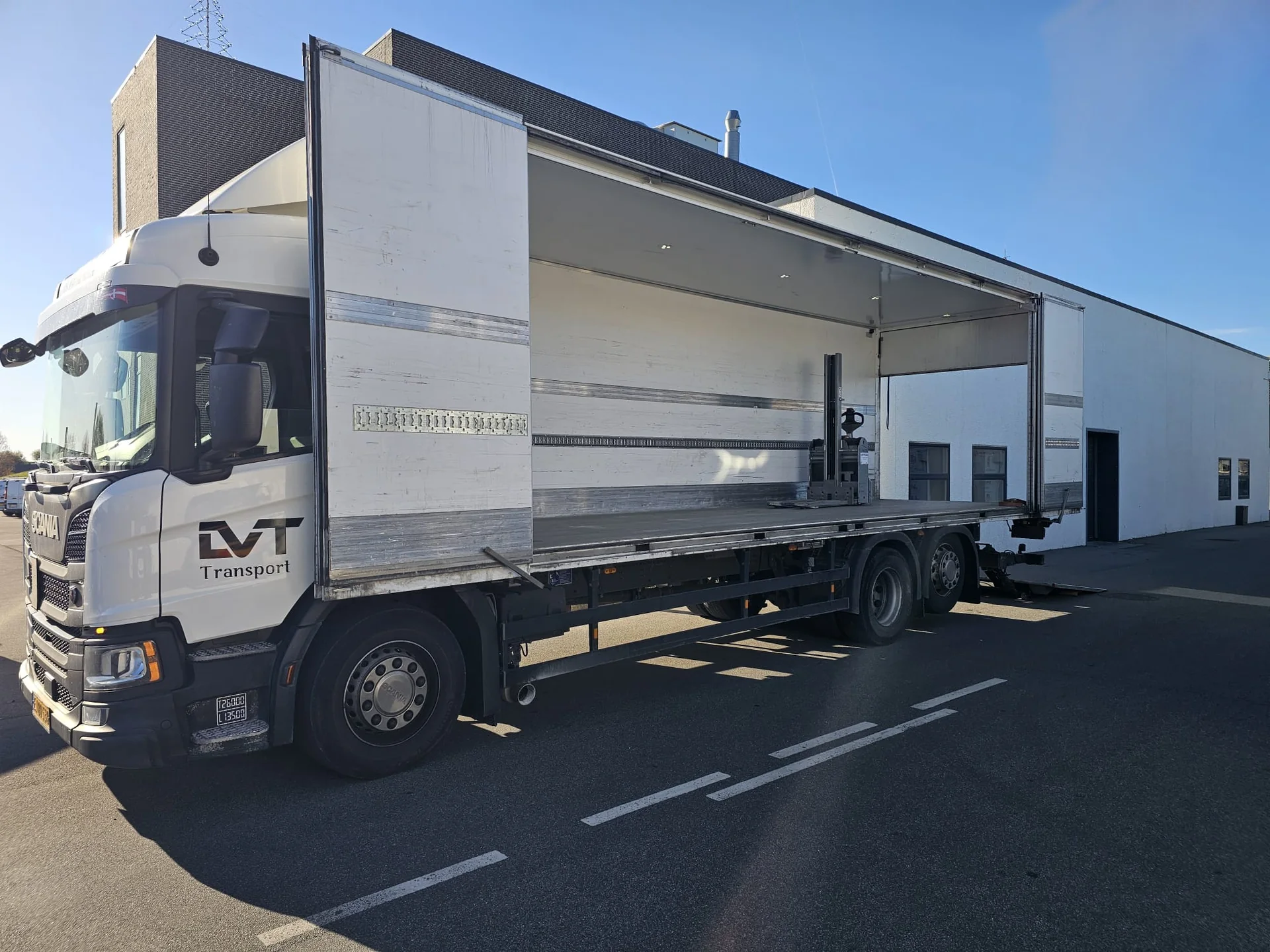
Incoterms are three letters in a sales contract, but they decide a lot: who books and pays for transport, who handles customs, and when the risk for the goods passes from seller to buyer.
The rules are published by the International Chamber of Commerce (ICC). The current edition is Incoterms 2020, with 11 rules.
Rules for any mode of transport
- EXW – Ex Works: The buyer collects at the seller's premises and handles everything from there, including export clearance.
- FCA – Free Carrier: The seller clears the goods for export and hands them to the buyer's carrier at an agreed place.
- CPT – Carriage Paid To: The seller pays freight to the destination, but the risk passes when the goods are handed to the first carrier.
- CIP – Carriage and Insurance Paid To: As CPT, but the seller also insures. Incoterms 2020 requires a higher level of cover (ICC Clause A).
- DAP – Delivered at Place: The seller delivers to the agreed place, ready for unloading. The buyer handles import duties.
- DPU – Delivered at Place Unloaded: As DAP, but the seller also unloads.
- DDP – Delivered Duty Paid: The seller handles everything, including import duties and taxes in the buyer's country.
Rules for sea and inland waterway only
- FAS – Free Alongside Ship: Goods are delivered alongside the vessel in the port of shipment.
- FOB – Free on Board: The risk passes when the goods are on board the vessel.
- CFR – Cost and Freight: The seller pays ocean freight, but the risk passes at loading.
- CIF – Cost, Insurance and Freight: As CFR, but the seller also insures (minimum cover).
Three tips from a freight forwarder
- Always name the place. "DAP" alone is not enough – write e.g. "DAP Aarhus, Incoterms 2020".
- Use FCA instead of FOB for containers. Containers are usually handed over at a terminal before they go on board. FCA fits that reality better.
- Think twice about DDP. It sounds easy for the buyer, but the seller must be able to handle customs and VAT in the buyer's country. That often requires a local registration.
What does it mean for the transport?
The Incoterm decides who books the transport with us – seller or buyer – and which documents are needed. If in doubt, send the commercial invoice and delivery terms with your rate request. We will check that transport and customs fit together.
See also Incoterms in the glossary.