 InsightsContact LVT
Freight to Germany – pallets, part loads and full loads
Sending a single pallet, a part load or a full truck to Germany? Here is how the three options differ and what we need to know to give you a rate that holds.
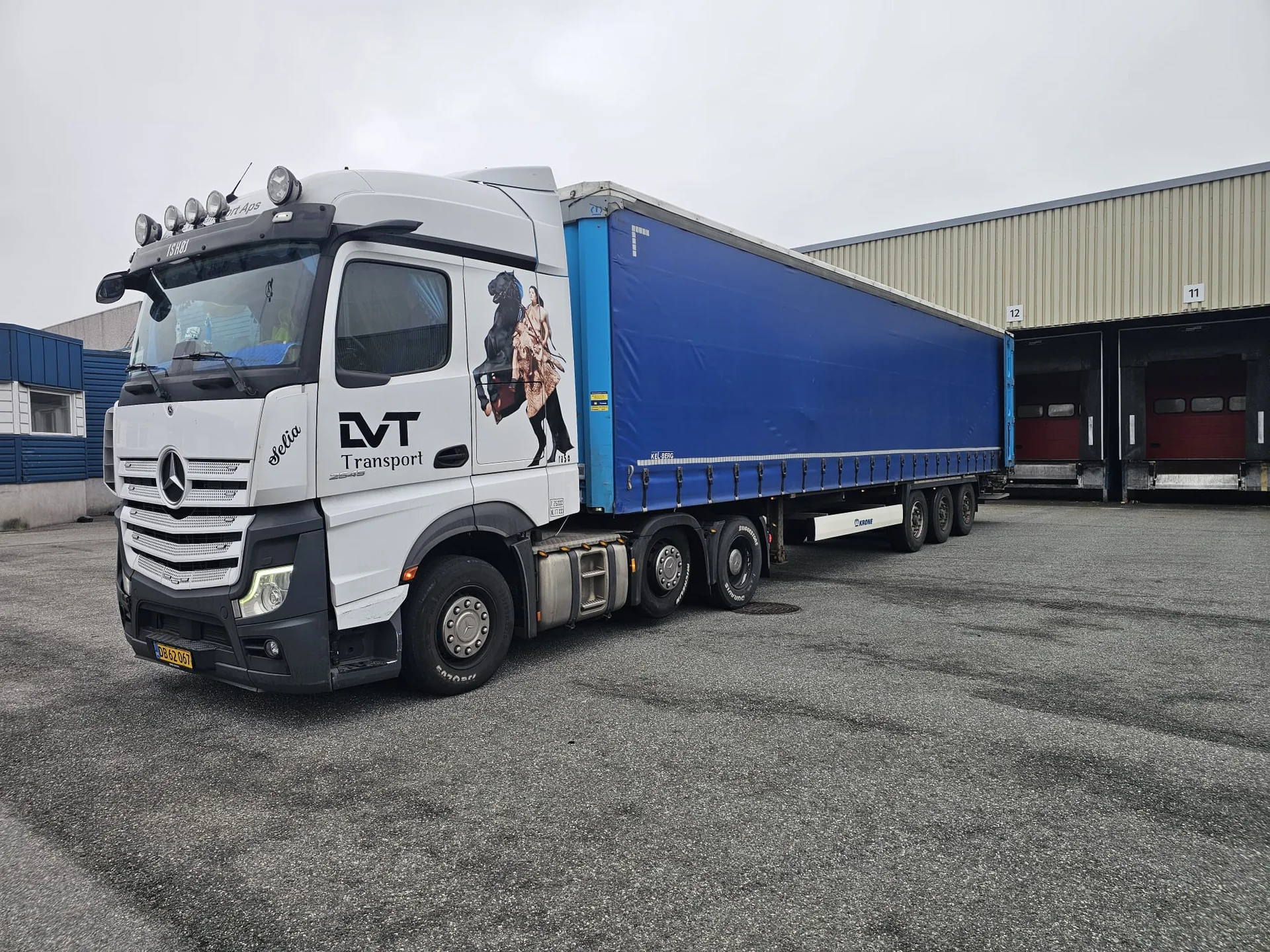
Freight to Germany is the most common cross-border shipment for many Nordic businesses. Germany is one of Denmark's largest trading partners, and the distance makes road transport the natural choice. But "freight to Germany" covers very different jobs – from one pallet to a small shop in Flensburg to a full load of machine parts for a factory in Bavaria. The option you choose decides the price, the delivery set-up and how much you need to prepare yourself.
Three ways to ship freight to Germany
1. Pallets and groupage
If you have one or a few pallets, they are normally consolidated with other shippers' goods. The pallet is collected, taken to a terminal, loaded onto a truck for Germany and distributed from there to the consignee. It is the cheapest option for small volumes, because you only pay for the space you use.
The trade-off is more handling and a delivery schedule that follows a fixed network. Good packaging and clear labelling matter.
2. Part loads
Part loads are the broad middle ground: usually from a handful of pallets up to around half a truck. The goods can run direct or with only a few stops. The price is based on loading metres, weight and whether the goods can be stacked – see our explanation of LDM and chargeable weight.
3. Full loads (FTL)
If the goods fill a whole trailer, or must arrive without being re-handled, we run a full load direct from your dock to the consignee. You have the truck to yourself and the timing is easier to control. It can also make sense for sensitive or high-value goods, even when the trailer is not completely full.
What we need to give you a rate
The more precise the details, the fewer surprises on the invoice:
- Collection and delivery address with postcode
- Number of pieces, dimensions and weight per pallet
- Stackability – can the goods take a pallet on top?
- Delivery conditions: dock, tail lift, time slot or booking with the consignee
- Dangerous goods (ADR) or temperature requirements
- Delivery terms – who pays the freight? See Incoterms 2020 in brief
Practical points when trucking in Germany
Germany is an EU member state, so goods in free circulation need no customs clearance. A few things do affect planning, though:
- Road toll (Maut). Trucks pay a distance-based toll on German motorways and many main roads. It is built into the freight rate and may appear among the surcharges on your invoice.
- Sunday and public holiday driving ban. As a general rule, heavy trucks may not run on Sundays and public holidays. That can push a delivery to the next working day.
- Booking with the consignee. Many warehouses and factories require a time slot. Tell us when you book so we can plan the truck around it.
The consignment note is a CMR, which travels with the goods all the way. Read more about what it documents in our post on the CMR consignment note.
Transit time
Transit time depends on the service, the postcode and the collection day. We always give an indicative transit time together with the rate, and you can read more about the lanes on our page on freight to Germany.
One contact all the way
LVT plans transport from Denmark, Sweden, Norway and Finland to 35 markets and back – including Germany in both directions. You get one dedicated contact who knows your shipments, and you can follow the goods online from collection to delivery.
Send us dimensions, weight and addresses, and we will come back with the option that fits your volume.