 InsightsContact LVT
Freight tenders: 7 tips for better, comparable bids
Putting your transport out to tender? Seven tips from a forwarder who answers tenders – so you get bids you can actually compare.
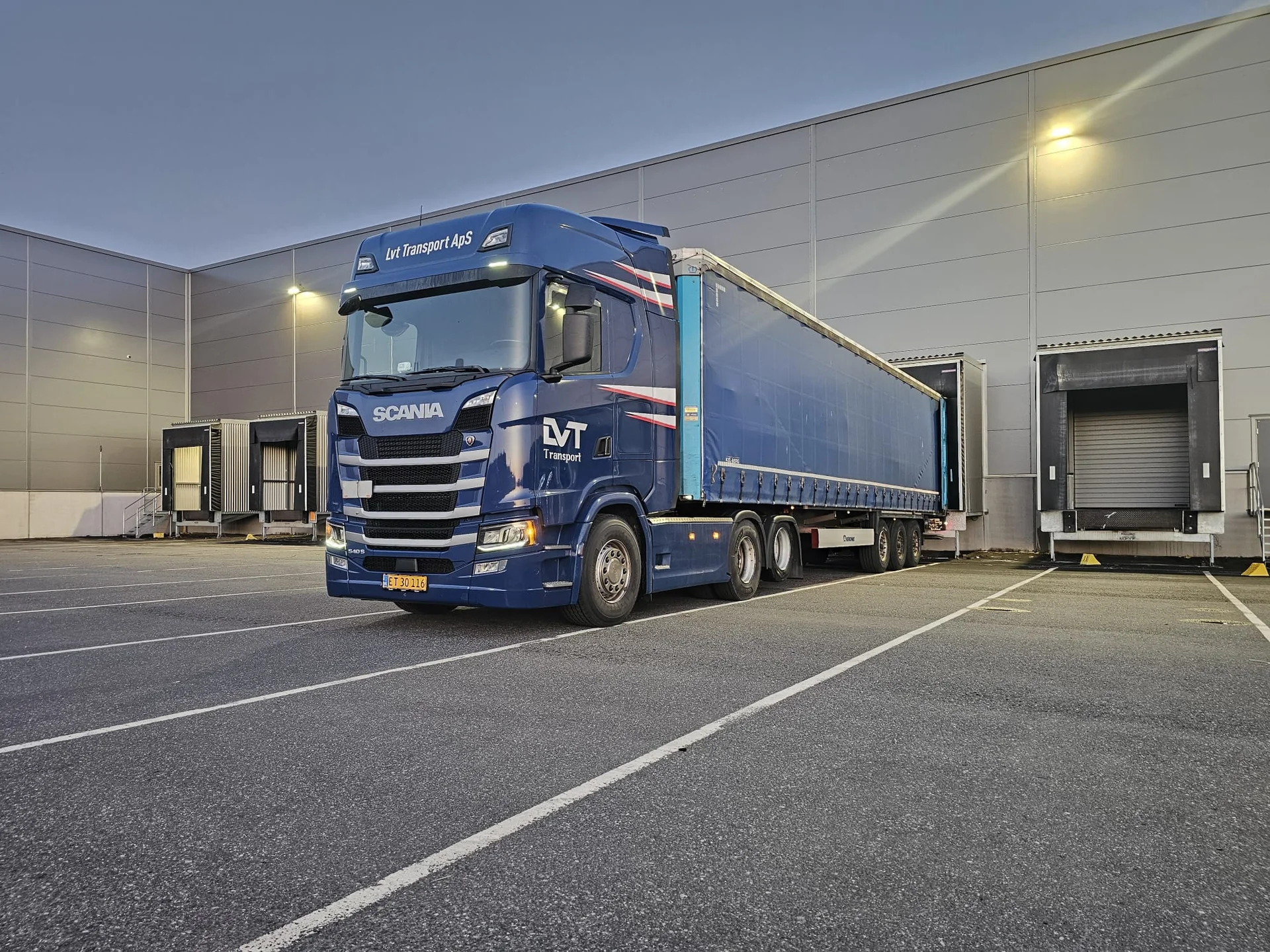
A freight tender is a structured way to get prices from several carriers at once. Done well, it gives comparable bids and a better agreement. Done in a hurry, it gives prices full of reservations – or no answers at all.
We answer tenders ourselves. These are the tips we most often wish the shipper had followed.
1. Give real volumes
State the number of shipments per lane, typical size (pallets, LDM, kg) and how volumes are spread over the year. Carriers price on capacity – without figures the price becomes a guess with a buffer.
2. Describe the lanes precisely
Country and postcode for collection and delivery is the minimum. "Germany" is not enough – there is a big difference between Flensburg and Munich.
3. Use one fixed template
A rate sheet with fixed fields (e.g. per pallet, per LDM or per full load) makes bids comparable. Do not change the template along the way.
4. Mention special conditions
Tail-lift, time slots, ADR, temperature, construction sites and long waiting times affect the price. Put it in the material so it does not appear as a surcharge afterwards.
5. Be clear about surcharges
How should fuel surcharge, road tolls and ferries be handled – included, or as a separate surcharge using a fixed mechanism? Unclear surcharges are the most common reason bids cannot be compared.
6. Allow realistic time
A tender with many lanes requires the carrier to get prices from partners. Plan time for questions and answers, and keep the deadline.
7. Say what matters
Is it price only – or also reliability, CO₂ reporting, documentation and a dedicated contact? When the carrier knows, the bid can be targeted.
And after the award
Agree on start-up, contacts and reporting before the first load. The first weeks decide whether the agreement gets off to a good start.
See also Tender in the glossary.